The Origins of Lingnan Style - Clip-and-Grow Techniques
By Guangzhou Baowen Gardens · May 22, 2026
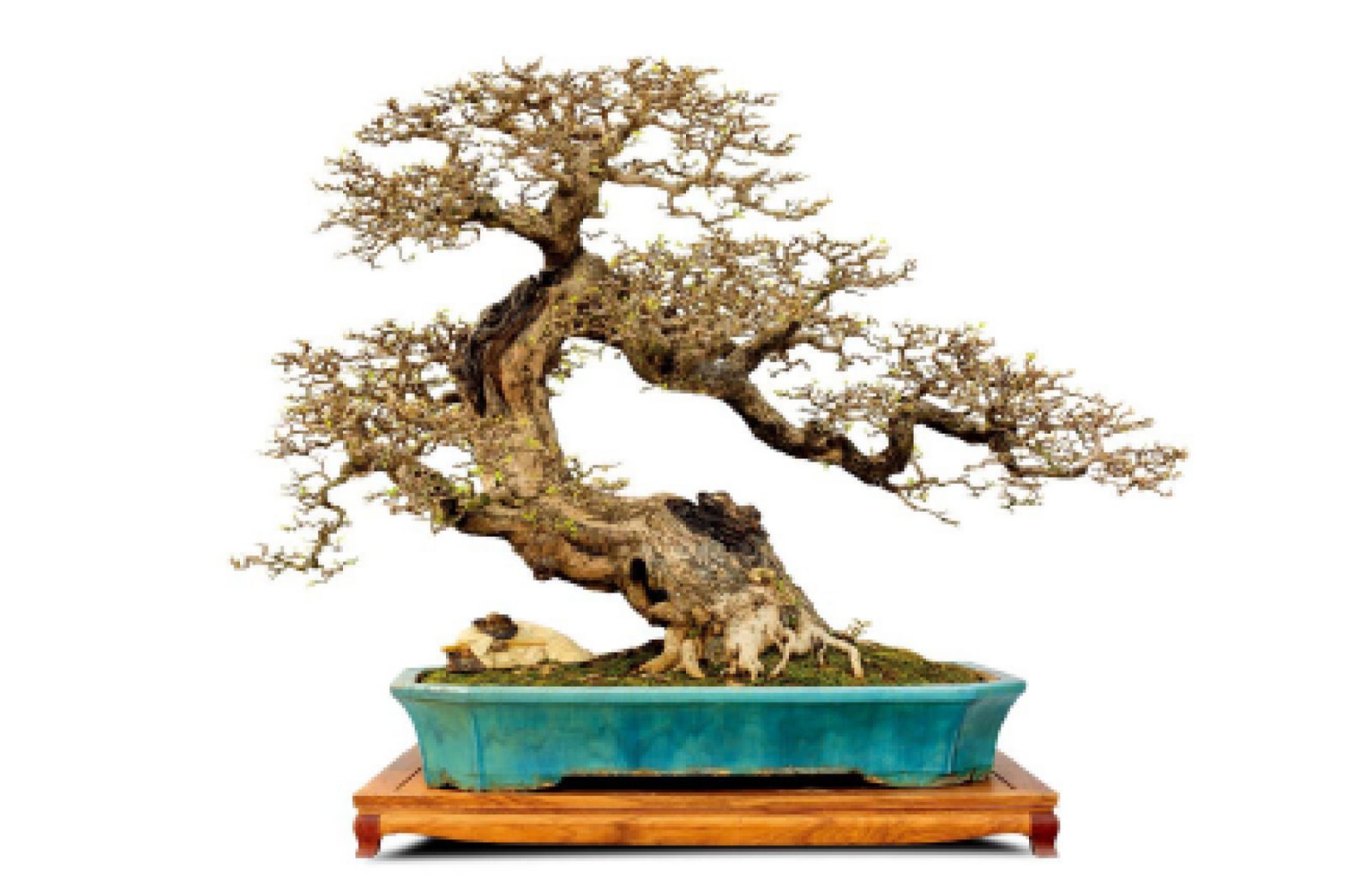
Since breaking free from the traditional constraints of binding and shaping in the 1930s, the unique Lingnan style has pioneered the innovative technique of clip-and-grow. This method allow artist to expand their creativities and make an wide array of diverse finishing form possible, ranging from robust and vigorous to simple and elegant, and from graceful and airy to naturally wild. Thus, developed its own distinctive style.
This style draws inspiration from nature, emulating, recreating, and surpassing it; capturing and condensing the grandeur of nature into a miniature form, Bonsai of Lingnan style reflects the beauty of natural landscapes and trees, allowing people to experience nature first-hand. This approach has garnered widespread recognition and admiration from enthusiasts both domestically within China and internationally. Its influence has spread rapidly, akin to a deluge, expanding across the nation and reaching the world.
For instance, the techniques of clip-and-grow, as well as the method of "changing clothes and renewing brocade," are now evident in numerous works from provinces outside Guangdong. Internationally, the Lingnan style has gained its own English terminology as "Lingnan", similar to "Dianxin" for "dim sum," given that Guangzhou is the birthplace of both dim sum and Lingnan style. Lingnan can be considered a reflection of nature itself. Nature is vast, profound, ever-changing, and inexhaustible, and the enigmatic and endlessly varied Lingnan bonsai is even more intriguing and captivating, offering endless enjoyment and appreciation.
1. What is Clip-and-Grow?
Lingnan’s techniques are renowned for their innovative Clip-and-Grow method. However, what precisely does this entail? In fact, the Clip-and-Grow process comprises two distinct phases. When a tree stump is being purchased, it is often artists combine our extensive knowledge of the diverse forms of trees in nature with the characteristics of the stump. This enables us to accurately envisage the shape the tree will take and what it will look like when mature, thereby creating a blueprint for its cultivation.
The initial trunk chop has a significant impact on the life of the bonsai, as the position and length of this initial cut determine the shape and size of the tree. Once the transition from the first cutting to the next meets the desired standards, a second trunk chop is performed after several years of growth. The second cutting is shorter than the first, the third even shorter, and so on, until the tree is topped off.
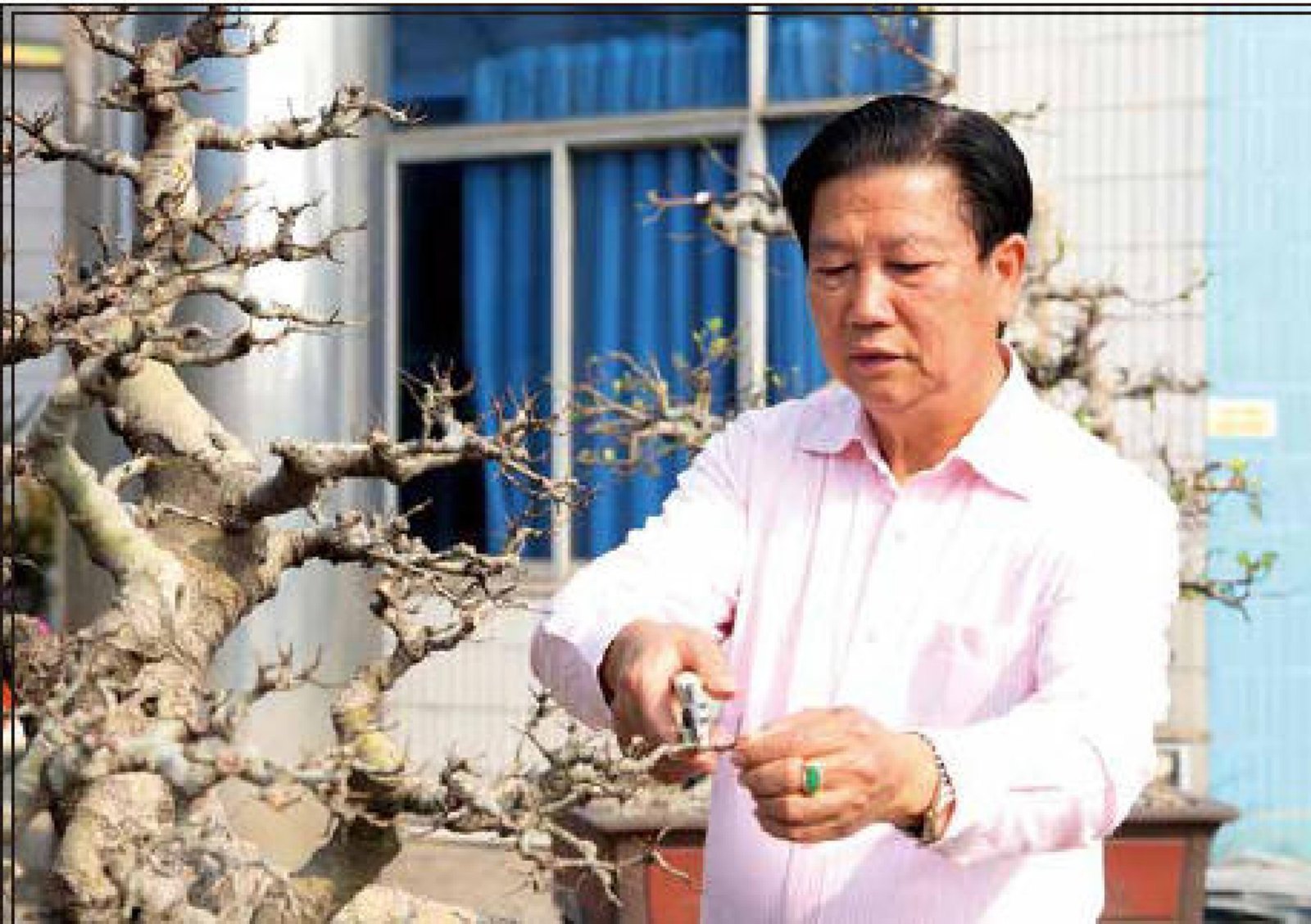
Following each chopping, new buds will emerge from the trunk. At this juncture, a suitable bud at a higher position is selected to develop into the next sectioning of the trunk. Meanwhile, other new buds on the first section are selected to become branch bases, which are then cultivated alongside the second section of the trunk. It is not the practice to immediately remove any unsuitable buds, as they serve several purposes. (1) They facilitate the rapid thickening of the initial section of the trunk. (2) Once they reach a certain size, they leave rugged knots on the trunk. (3) They offer additional options for branch placement in case we want to modify the design. (4) Selecting side branches prematurely can result in a flat trunk. Once the desired thickness has been reached, the branches are trimmed to allow for further growth and the formation of new segments until the desired shape is achieved. This is the “growing branches” step in Clip-and-Grow..
Regardless of whether trunk chopping or branch cutting is involved, each segment must change direction. This is of the utmost importance, as any misstep in the management of a single segment could have a detrimental impact on the entire bonsai. It’s essential to pay close attention to this detail to avoid such unfortunate outcomes.
2. Clip-and-Grow techniques
After acquiring a native stump, is to conceptualize the shape of the final work based on the characteristics of the tree species and its form. This entails creating a blueprint for cultivation. Once the blueprint has been established, the optimal length for the first segment can be determined and the cut can be made. Prior to making the cut, it is essential to identify the optimal bud position for the second segment, leaving it slightly longer. Once the new bud has sprouted and grown to a certain thickness, the excess material is removed, ensuring that the first segment of the trunk is properly set.
Although the Lingnan technique has only been around for a few decades, it has already established a strong foundation and is currently in the process of integration, unification, and development. Previously, many masters practicing Lingnan style and publications referred to this method as the “Grow-and-Cut” method. However, as the trunk is the primary focus and the branches are secondary, it gradually became known as the “Cut-and-Grow” method.
Some also referred to the "Cut-and-Grow" method as the "Side Replaces Trunk" method, noting that early enthusiasts found natural wild stumps formed by multiple chops from loggers or woodcutters to be a fascinating subject. This discovery led to a trend among Guangzhou bonsai enthusiasts, who would team up to search for wild stumps in the mountains. This even caught the attention of woodcutters, some of whom switched professions to specialize in collecting wild stumps. Guangzhou became the primary hub for the trading and selling of stump bonsai.
This new discovery led to the development of a new form of creation. The innovative "Trunk Chop" technique was rapidly developed by the pioneers of Lingnan. The Lingnan style was developed by extending the trunk chopping technique to branch cultivation. This approach resulted in a natural, poetic, and visually striking style of bonsai that has gained widespread popularity and admiration. It gained widespread popularity and admiration, symbolizing a unique blend of natural aesthetics and artistic ingenuity. The method of trunk chopping was not invented by any one individual; rather, it was discovered through observation of nature, with loggers and woodcutters serving as the primary teachers. It is a remarkable example of nature's accidental creations. Trunk chopping is not a Guangzhou-specific phenomenon. It is a Lingnan region, China-wide, and even a global phenomenon.
Extending “Trunk Chop” into “Clip-and-Grow” was indeed the innovation of the clever people of Guangzhou. Combining trunk chopping and branch cultivation techniques has become the main theme of Lingnan bonsai, captivating countless enthusiasts. When creating bonsai, the specific methods vary depending on the tree. The practice of removing side buds and training the central bud to grow left or right, forming two bends in the second segment, creates a dynamic and lively appearance. This "side branch removal, central bud retention" technique results in a more three-dimensional and expressive tree than the traditional serpentine trunk.
In most cases, the first segment’s bud is retained at the front to facilitate the development of the second segment. This is because the first segment is the thickest and has the largest wound, and the front bud helps cover the cut, aligning with the principle of progressing from front to back. There is a distinction in the handling of front and back bends. The front bend should not be too large to avoid overpowering the central bud, while the back bend should be significant to create a balanced look. As previously stated, it is essential to initially leave the cut longer and trim it down to the correct length once the second segment is stable. In some cases, new buds may sprout from the cut surface, known as "blade buds," eliminating the need for a second cut.
The method of creating two bends in one segment is a superior approach to one bend per segment. It enhances the aesthetic, dynamic, mature, and three-dimensional qualities of the branches. Furthermore, this approach reduces the time required for the traditionally lengthy trunk-chopping method.
It should be noted that not all tree species in Lingnan are suitable for trunk chopping. This is particularly the case for those with denser wood that grow slowly. For example, boxwood is not a suitable candidate for cultivation using the trunk chopping method. These species, similar to slow-growing northern trees, are better suited for bending and shaping techniques.
Lingnan is a technique that aims to create a miniature representation of a complete natural tree. Each branch, when viewed independently, should be a perfect representation of a tree. The segmented shaping of the main trunk is complemented by the branch shaping using the trunk chopping method, with lengths proportional to the overall size. Each segment should ideally have at least two bud positions. The main trunk design is focused on strength and robustness, while the branch design emphasizes delicacy and variety. This incorporates both rigidity and flexibility, curves and straight lines, and variations in height and direction.
Branches should be strategically positioned around the main trunk to form a unified and coherent structure. The connections between the front, back, left, and right branches should be seamless, with each branch contributing to the overall structure. It is important to note that individual branches should have a higher back and lower front, in order to avoid obstructing the trunk. The overall design should strike a balance between density and openness, creating a scene that is both aesthetically pleasing and intricate, while imitating, emulating, and surpassing nature. As the adage goes, "Heaven's work can be created by humans, but human work cannot surpass heaven’s."
3. The Clip-and-Grow technique rises from the foundation of Lingnan’s cultural heritage
According to historical accounts, Cantonese was the official language of the Xia Dynasty. The Shang uprising compelled the Xia royals leading their people migrating to the southern region of China, also known as Lingnan. Along with a mass migration of its people, new languages and cultures has also been brought into whats originally a remote and primitive region, transforming the Lingnan region into a repository of ancient languages and a repository of profound cultural heritage. The recital of classical Chinese poetry in the Cantonese dialogue is more harmonious and flavorful than in the Mandarin dialogue, which attests to the rich cultural history of Lingnan.
Guangzhou, the earliest city to open to the outside world during the Qing Dynasty, was once the sole port designated for foreign trade. The city's prosperity, driven by thriving trade, significantly improved the standard of living. The city's robust infrastructure and cultural heritage fostered the growth of Lingnan literature, Guangdong music, the Lingnan painting school, and Lingnan bonsai during this period.
Merchant Kong Taichu, a member of a local wealthy family, introduced his artist friends into the world of bonsai, which he described as silent poetry and 3D painting. Similarly, painter Chen Suren, a monk, also became an enthusiastic supporter of bonsai, transforming Haizhuang Temple into a major bonsai hub. Their works exhibited poetic and artistic qualities.
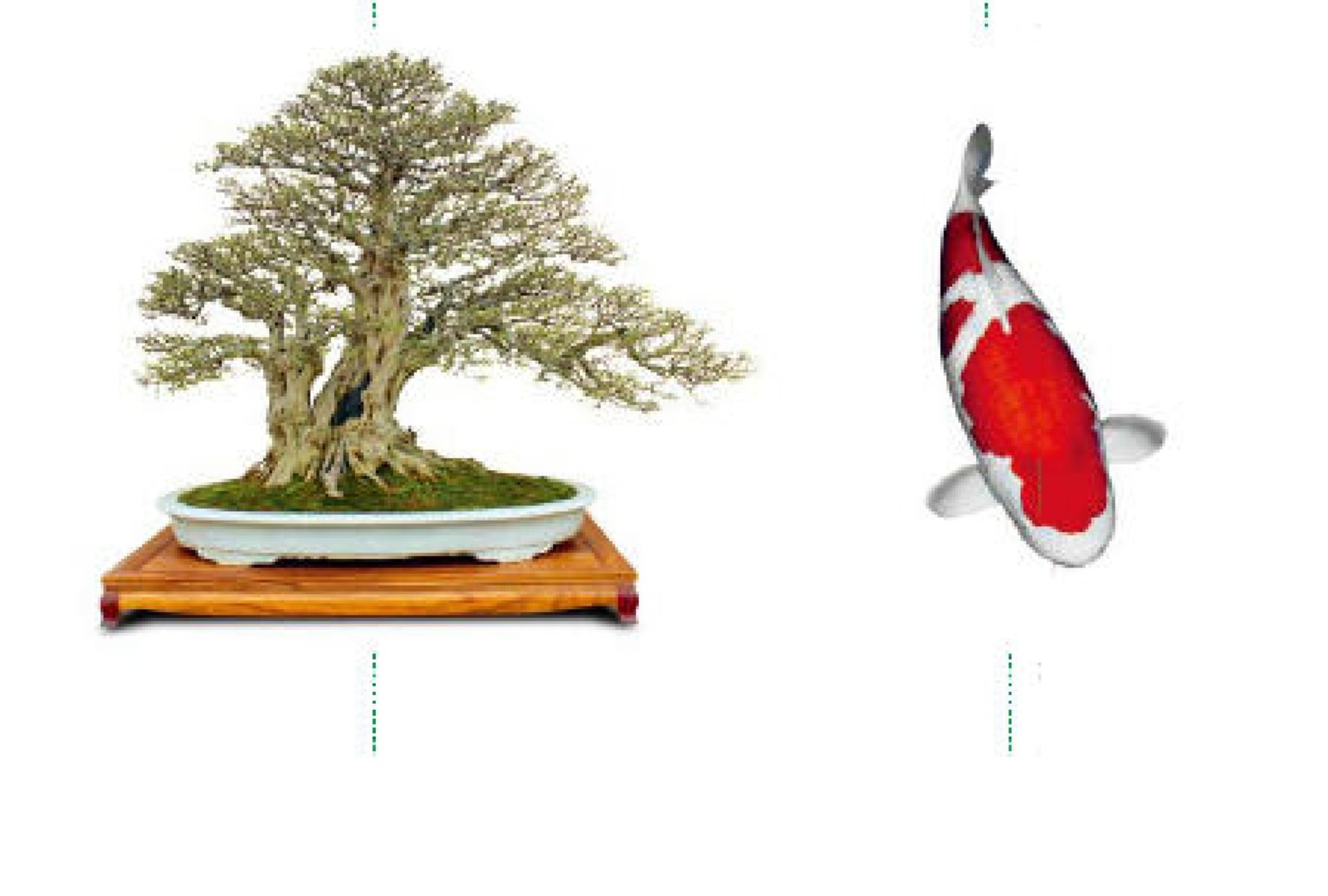
Kong Taichu represents the northern Lingnan style, which features a vigorous and robust aesthetic. He lived north of the Pearl River, which runs through the center of Guangzhou separating it into two parts. The southern Lingnan style, represented by Monk Suren who lived south of the river (hence the terms Kong School and Su School), is distinguished by a graceful and ethereal quality. The "Dwarf Big Tree" is a representative work of the Kong School, showcasing a focus on realistic form and appearance. The Su School is distinguished by the elegant and lofty "Literati Tree," which emphasizes spirit and expression. Today, Lingnan encompasses both pure Kong and Su styles. However, the majority of these styles feature the robust trees of the Kong School as the main trunk, complemented by the flowing branches of the Su School. This combination of styles creates a perfect blend of form and spirit, merging the strengths of both northern and southern styles.
4. Favorable conditions promote the development of Lingnan
The sub-tropical region of Lingnan offers a climate conducive to tree growth, with abundant sunshine and rainfall. The region is home to a diverse range of tree species that exhibit rapid growth. Once a section of a tree stump has been chopped, a new segment will quickly grow. In contrast, trees in temperate regions grow at a slower pace, and those in cold regions even more so, due to the lack of the same conditions. Tropical regions, with their extreme heat, present a risk of scorching or killing trees. Lingnan's subtropical maritime climate provides the ideal combination of favorable timing and location, making it the optimal location for bonsai development.
Historically, the Southern China region was regarded as a less developed region with a less advanced economy than the prosperous Eastern China region, home to cities like Suzhou and Yangzhou, which established their own distinctive bonsai styles. Lingnan was regarded as inferior and less refined in comparison. Although bonsai existed in the South, it primarily involved using hardy plants like Murraya paniculata, shaping their short branches into ancient-looking trees, and using basic bending techniques that imitated other styles.
However, with Guangzhou becoming one of the earliest cities to open to foreign trade, its economy experienced significant growth. The growing affluence of merchants, doctors, and literati led to a surge in interest in many art forms, driving a wave of enthusiasm for bonsai creation. The art of bonsai became a fashionable pastime and a popular topic of conversation in Guangzhou.
Lingnan has evolved and refined itself over the course of several generations, developing strict standards and rules. While wild tree stumps suitable for Lingnan bonsai exist worldwide, cultivating them into authentic Lingnan-style is both easy and challenging. There are many fast-growing tree species outside Lingnan that can be cultivated using the trunk chopping method.
We encourage enthusiasts to learn and promote Lingnan style. It is also hoped that someone will use the Clip-and-Grow method to create masterpieces with styles distinct from Lingnan, further enriching the art of bonsai.